BOISE, ID · WINSTEAD PARK · ISDA-LICENSED
Rodent control in Boise.
House mice. Deer mice. Voles. Treated by species, not by spray.
Boise Bug Bombers treats rodent infestations across Boise, from the deer mouse pressure in Foothills homes near Bogus Basin Road and Warm Springs Mesa, to the house mouse infestations in older Hyde Park craftsman framing and Bench mid-century crawl spaces, to the vole damage in irrigated lawns along the Boise River corridor, using species-identified exclusion-plus-removal, not spray-and-walk bait stations. Owner Hillard McMorris is an Idaho State Department of Agriculture (ISDA)-licensed Idaho applicator (#96328). USDA-approved products, kid- and pet-safe once dry. Same-week appointments.
In Boise, three rodent species drive almost every residential call: house mice (Mus musculus) in older Hyde Park, North End, and Bench construction; deer mice (Peromyscus maniculatus) in Foothills homes adjacent to sagebrush and undeveloped land, these are the species that can carry hantavirus and require a different cleanup protocol; and voles (Microtus species) in irrigated lawns, particularly near the Boise River corridor and Greenbelt-adjacent properties. Each species needs a different treatment plan: house mice get interior exclusion + trapping, deer mice get exterior exclusion + HEPA-vacuum cleanup protocol, voles get exterior lawn treatment with no interior product.
2A. House mice in older Hyde Park, North End, and Bench construction
The North End and Hyde Park (83702) craftsman homes, many built between 1900 and 1940, carry stone foundations, original baseboards, plumbing chases, and the kind of small framing gaps that house mice exploit easily. The Bench (83705, 83709) mid-century stock from the 1950s-1970s has different vulnerabilities, attached garages, mid-century crawl spaces, attic penetrations around the original HVAC. Treatment is interior trapping where active rodents are, plus exterior exclusion at the entry points before next winter.
2B. Deer mice in Foothills homes (YMYL, hantavirus risk)
Important: Deer mice are the species in Idaho confirmed to carry Sin Nombre virus (SNV), the strain of hantavirus that causes Hantavirus Pulmonary Syndrome (HPS). Deer mice are common in Foothills homes (83702, 83712, 83716), particularly properties adjacent to sagebrush, undeveloped land, and the upper Bogus Basin Road corridor, because the species prefers undeveloped grassland and rock-shelter habitat, not human structures, but enters homes opportunistically through small gaps when seeking shelter.
According to the Centers for Disease Control and Prevention, hantavirus is transmitted through inhalation of aerosolized droppings, urine, or saliva from infected deer mice. The Idaho Department of Health and Welfare maintains documented HPS cases in Idaho residents. Sweeping or vacuuming dry deer-mouse droppings can aerosolize infectious particles. CDC’s recommended cleanup uses a wet-disinfection protocol, spraying droppings with a bleach-based disinfectant solution, allowing 5 minutes of dwell time, and then wiping (not sweeping) the area, and HEPA-rated respiratory protection during cleanup is the recommended best practice.
If you have confirmed deer mouse activity in a Foothills home, do not attempt cleanup before consulting CDC’s hantavirus prevention guidance or contacting Idaho Department of Health and Welfare. Boise Bug Bombers does not perform medical-grade environmental remediation, but our deer-mouse exclusion plus exterior treatment is structured to stop new activity before the next exposure event. For active known exposure to dropping-contaminated zones, the proper authority is Idaho Department of Health and Welfare and your physician.
2C. Voles in irrigated lawns (East End, Warm Springs, Greenbelt-adjacent properties)
Voles are a Boise River corridor problem, irrigation-fed lawns in the East End (83712), Warm Springs corridor, and Greenbelt-adjacent properties give voles the soft soil + green cover + adjacent-water trifecta they need. Vole damage shows up as surface runways (the 1-2 inch wide trails through the grass), entrance holes the size of a quarter, and tunneled damage at the root crown of shrubs and young trees. Vole control is exterior-only, lawn-zone targeted, and never an interior product application.
What we treat
In Boise, three rodent species drive almost every residential call: house mice (Mus musculus) in older Hyde Park, North End, and Bench construction; deer mice (Peromyscus maniculatus) in Foothills homes adjacent to sagebrush and undeveloped land, these are the species that can carry hantavirus and require a different cleanup protocol; and voles (Microtus species) in irrigated lawns, particularly near the Boise River corridor and Greenbelt-adjacent properties. Each species needs a different treatment plan: house mice get interior exclusion + trapping, deer mice get exterior exclusion + HEPA-vacuum cleanup protocol, voles get exterior lawn treatment with no interior product.
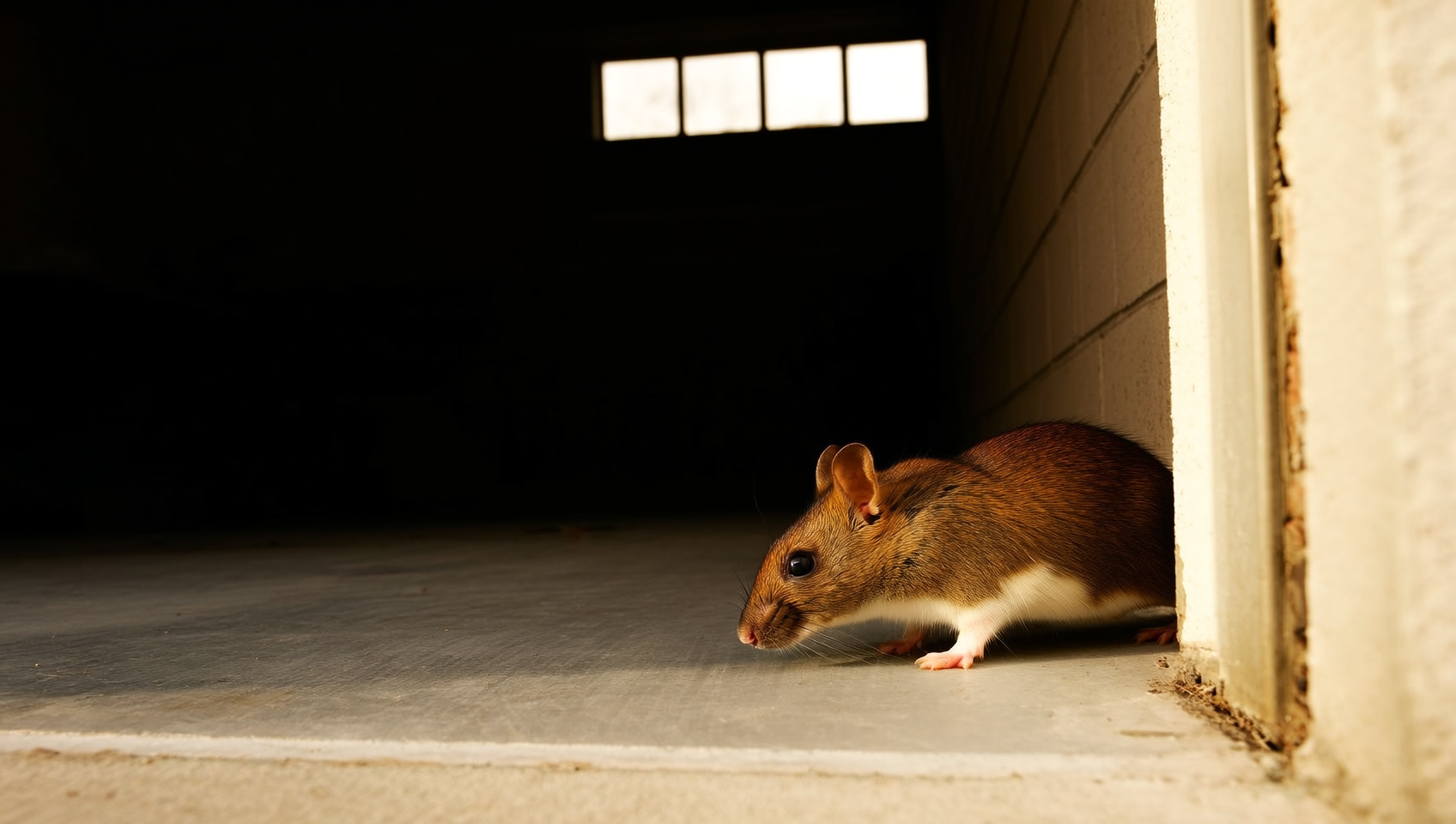
House mice in older Hyde Park, North End, and Bench construction
The North End and Hyde Park (83702) craftsman homes, many built between 1900 and 1940, carry stone foundations, original baseboards, plumbing chases, and the kind of small framing gaps that house mice exploit easily. The Bench (83705, 83709) mid-century stock from the 1950s-1970s has different vulnerabilities, attached garages, mid-century crawl spaces, attic penetrations around the original HVAC. Treatment is interior trapping where active rodents are, plus exterior exclusion at the entry points before next winter.
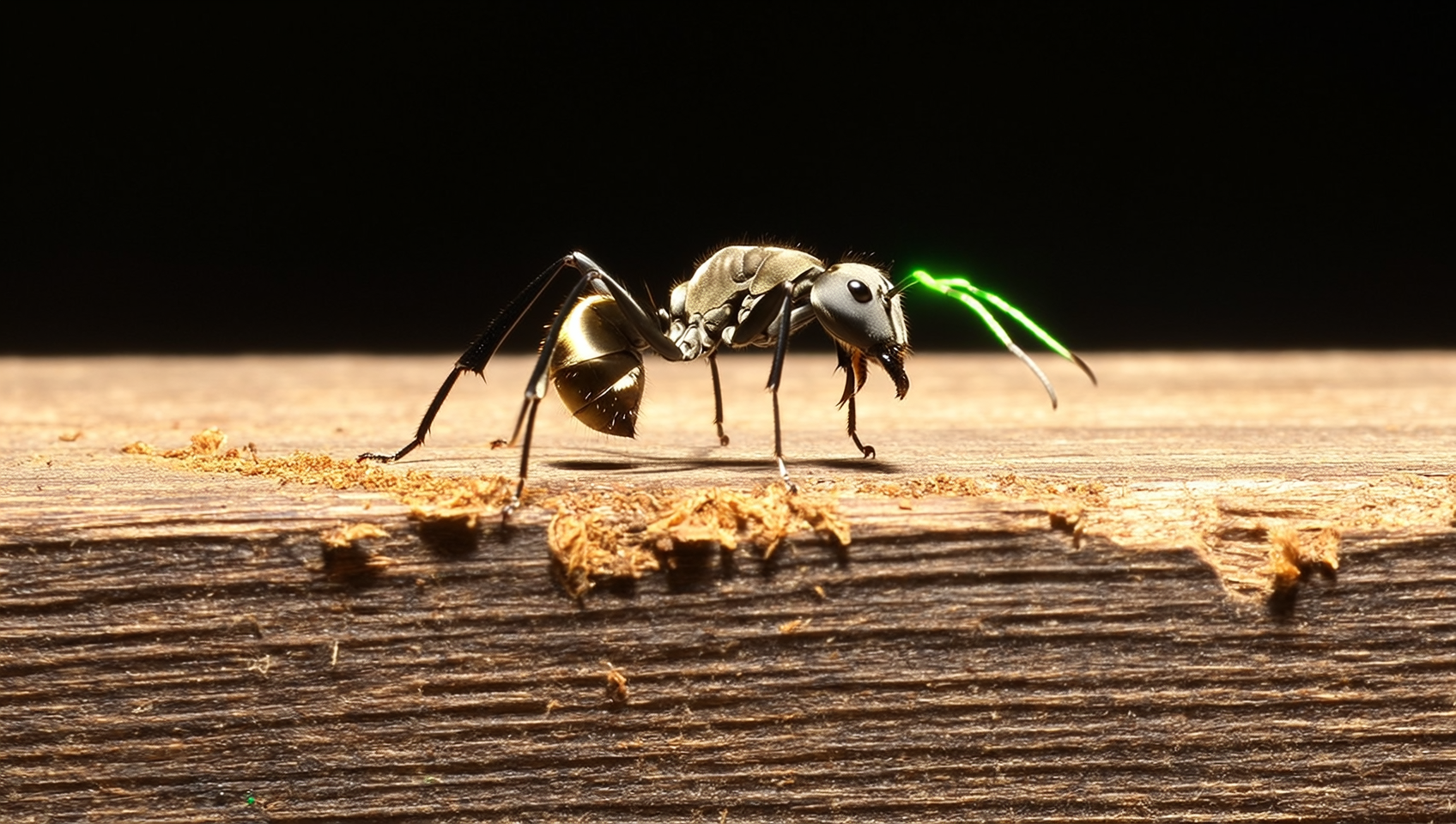
eer mice in Foothills homes (YMYL, hantavirus risk)
Important: Deer mice are the species in Idaho confirmed to carry Sin Nombre virus (SNV), the strain of hantavirus that causes Hantavirus Pulmonary Syndrome (HPS). Deer mice are common in Foothills homes (83702, 83712, 83716), particularly properties adjacent to sagebrush, undeveloped land, and the upper Bogus Basin Road corridor, because the species prefers undeveloped grassland and rock-shelter habitat, not human structures, but enters homes opportunistically through small gaps when seeking shelter.
According to the Centers for Disease Control and Prevention, hantavirus is transmitted through inhalation of aerosolized droppings, urine, or saliva from infected deer mice. The Idaho Department of Health and Welfare maintains documented HPS cases in Idaho residents. Sweeping or vacuuming dry deer-mouse droppings can aerosolize infectious particles. CDC’s recommended cleanup uses a wet-disinfection protocol, spraying droppings with a bleach-based disinfectant solution, allowing 5 minutes of dwell time, and then wiping (not sweeping) the area, and HEPA-rated respiratory protection during cleanup is the recommended best practice.
If you have confirmed deer mouse activity in a Foothills home, do not attempt cleanup before consulting CDC’s hantavirus prevention guidance or contacting Idaho Department of Health and Welfare. Boise Bug Bombers does not perform medical-grade environmental remediation, but our deer-mouse exclusion plus exterior treatment is structured to stop new activity before the next exposure event. For active known exposure to dropping-contaminated zones, the proper authority is Idaho Department of Health and Welfare and your physician.
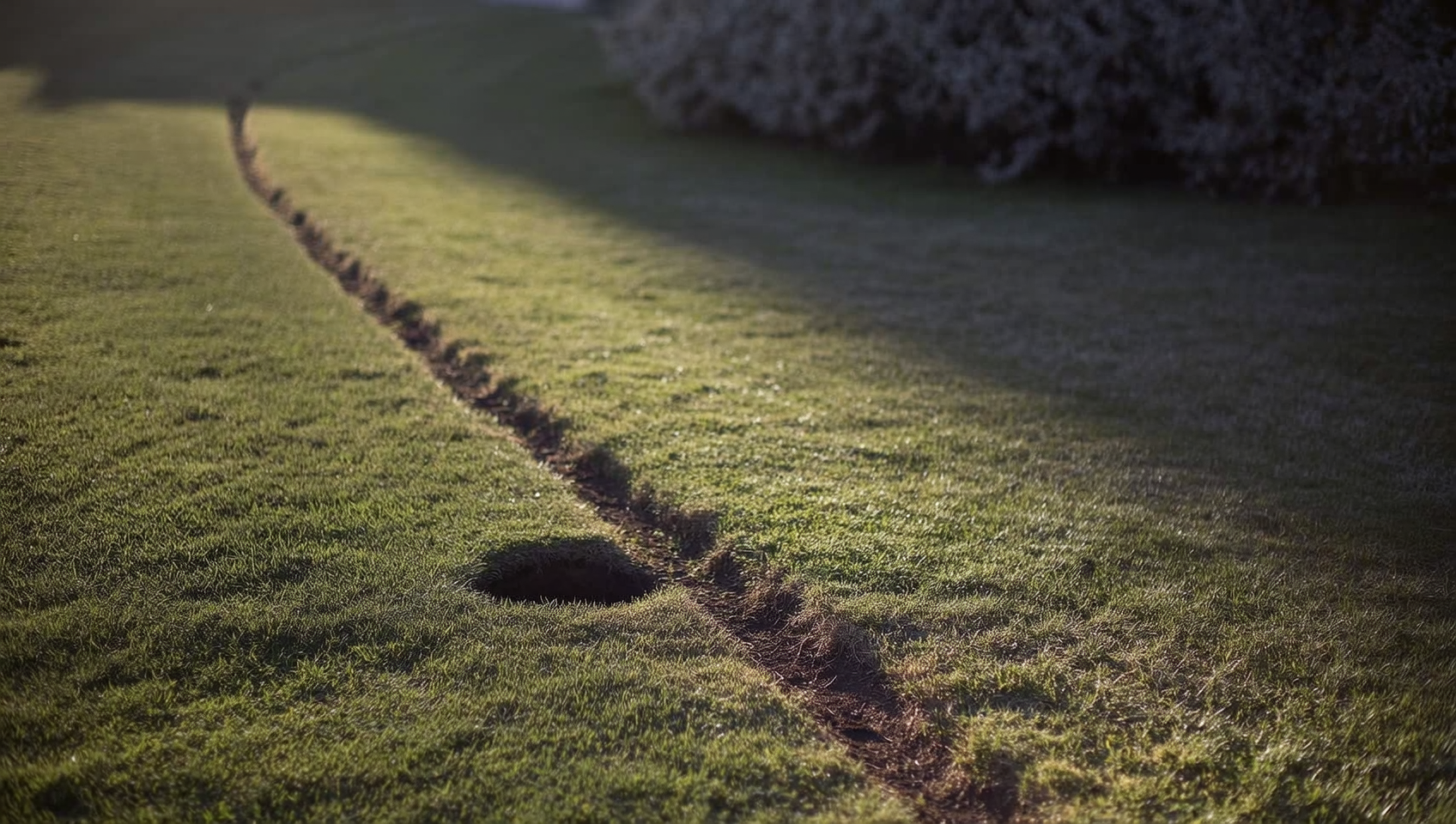
Voles in irrigated lawns (East End, Warm Springs, Greenbelt-adjacent properties)
Voles are a Boise River corridor problem, irrigation-fed lawns in the East End (83712), Warm Springs corridor, and Greenbelt-adjacent properties give voles the soft soil + green cover + adjacent-water trifecta they need. Vole damage shows up as surface runways (the 1-2 inch wide trails through the grass), entrance holes the size of a quarter, and tunneled damage at the root crown of shrubs and young trees. Vole control is exterior-only, lawn-zone targeted, and never an interior product application.
Step 1, Species identification. House mouse, deer mouse, vole, Norway rat, and roof rat each leave different evidence: scat shape and size, runway pattern, harborage signal, entry-point character. Identification before treatment is non-negotiable, deer mouse activity routes through the YMYL protocol described in Section 2B, not the standard interior-bait plan.
Step 2, Inspection. Hillard walks the perimeter, attic if accessible, crawl space, garage, basement, plumbing penetrations, dryer vent, HVAC penetrations, and the irrigation-adjacent lawn for vole runways. Photographs all evidence. Documents the entry points.
Step 3, Exclusion-first treatment. Sealing entry points is the load-bearing step, bait stations without exclusion just kill the current generation while new ones enter through the same gaps. Steel wool + sealant at small penetrations, hardware cloth at vent and crawl-space openings, door-sweep replacement, exterior weather seal.
Step 4, Targeted removal. Interior snap traps where house-mouse activity is documented. Exterior tamper-resistant bait stations (locked, kid- and pet-safe, away from interior entries) on properties with deer-mouse pressure. Vole control is exterior bait stations placed in runway zones; no interior product.
Step 5, Follow-up + documentation. 14-day re-inspection confirms trap clearance + exclusion effectiveness. Quarterly customers get free rodent retreats if new activity appears between scheduled sprays.
How it works
-
Species identification
House mouse, deer mouse, vole, Norway rat, and roof rat each leave different evidence: scat shape and size, runway pattern, harborage signal, entry-point character. Identification before treatment is non-negotiable, deer mouse activity routes through the YMYL protocol described in Section 2B, not the standard interior-bait plan.
-
Inspection
Hillard walks the perimeter, attic if accessible, crawl space, garage, basement, plumbing penetrations, dryer vent, HVAC penetrations, and the irrigation-adjacent lawn for vole runways. Photographs all evidence. Documents the entry points.
-
Exclusion-first treatment
Sealing entry points is the load-bearing step, bait stations without exclusion just kill the current generation while new ones enter through the same gaps. Steel wool + sealant at small penetrations, hardware cloth at vent and crawl-space openings, door-sweep replacement, exterior weather seal.
-
Targeted removal
Interior snap traps where house-mouse activity is documented. Exterior tamper-resistant bait stations (locked, kid- and pet-safe, away from interior entries) on properties with deer-mouse pressure. Vole control is exterior bait stations placed in runway zones; no interior product.
-
Follow-up + documentation
14-day re-inspection confirms trap clearance + exclusion effectiveness. Quarterly customers get free rodent retreats if new activity appears between scheduled sprays.
Rodent control in Boise costs $175 to $375 for interior house mouse treatment with exclusion, $250 to $500 for foothills deer mouse exterior exclusion plus exterior treatment, and $275 to $550 for vole lawn treatment depending on lawn size. Quarterly pest plan add-ons run $75 to $200 above the base plan.
| Service | Boise price range |
|---|---|
| Rodent inspection + entry-point report | $125-$175 |
| Interior house mouse treatment + exclusion | $175-$375 |
| Foothills deer mouse exterior treatment + exclusion | $250-$500 |
| Vole lawn treatment (exterior) | $275-$550 |
| Add-on: full attic/crawl exclusion package | +$200-$600 |
| Quarterly pest plan rodent add-on | +$75-$200 |
Pricing
Rodent control in Boise costs $175 to $375 for interior house mouse treatment with exclusion, $250 to $500 for foothills deer mouse exterior exclusion plus exterior treatment, and $275 to $550 for vole lawn treatment depending on lawn size. Quarterly pest plan add-ons run $75 to $200 above the base plan.
| Service | Boise price range |
|---|---|
| Rodent inspection + entry-point report | $125-$175 |
| Interior house mouse treatment + exclusion | $175-$375 |
| Foothills deer mouse exterior treatment + exclusion | $250-$500 |
| Vole lawn treatment (exterior) | $275-$550 |
| Add-on: full attic/crawl exclusion package | +$200-$600 |
| Most popular Quarterly pest plan rodent add-on | +$75-$200 |
Boise Bug Bombers serves every Boise neighborhood for rodent control, including the North End and Hyde Park, East End and Warm Springs corridor, Boise Bench (Central + North), Vista, West Bench, Foothills (including the Bogus Basin Road corridor and Warm Springs Mesa), Winstead Park, the Greenbelt-adjacent properties along the Boise River, and the Capitol/downtown residential zone. Coverage spans ZIP codes 83702, 83703, 83704, 83705, 83706, 83709, 83712, 83713, 83714, and 83716.
Hillard McMorris leads the team. Idaho State Department of Agriculture (ISDA)-licensed Idaho applicator (#96328), the person who answers (208) 918-2597. Rodent control rewards the technician who has seen the exclusion-vs-bait trap before, properties that get bait without exclusion repeat the call within six months. From Grant Dillard’s Google review: “Very knowledgable and passionate… always willing to go above and beyond.”
→ /about/
Get a Boise rodent inspection this week.
Same-week Boise appointments · Exclusion-first approach · 100% satisfaction warranty
Bringing peace and happiness by spreading death and destruction… to your pests.
Q1: Does Boise Bug Bombers treat rodents in Boise, Idaho?
Yes. Boise Bug Bombers treats house mice, deer mice, and vole infestations across every Boise neighborhood, including the North End, Hyde Park, East End, Warm Springs corridor, Bench, Foothills, and Winstead Park. Coverage spans ZIP codes 83702 through 83716. Same-week appointments are typical.
Q2: Are deer mice in Boise a hantavirus risk?
Deer mice (Peromyscus maniculatus) are the rodent species in Idaho confirmed to carry Sin Nombre virus, which causes Hantavirus Pulmonary Syndrome. They are most common in Boise Foothills properties adjacent to sagebrush and undeveloped land, including the Bogus Basin Road corridor and Warm Springs Mesa. The Centers for Disease Control and Prevention recommends never sweeping or vacuuming dry deer-mouse droppings, proper cleanup uses a wet-disinfection protocol. If you have confirmed deer mouse activity, consult CDC’s hantavirus prevention guidance or Idaho Department of Health and Welfare.
Q3: How much does rodent control cost in Boise?
Rodent control in Boise costs $175 to $375 for interior house mouse treatment with exclusion, $250 to $500 for Foothills deer mouse exterior exclusion plus treatment, and $275 to $550 for vole lawn treatment depending on lawn size. Inspection-only visits cost $125 to $175. Pricing is quoted upfront, the phone quote matches the door quote.
Q4: What’s the difference between voles and mice in a Boise lawn?
Voles are exterior-only rodents that damage lawns and ornamental landscaping, they leave 1-2 inch wide surface runways through grass and entrance holes the size of a quarter. Mice are primarily interior rodents that enter the home through small framing gaps. Vole control is exterior-only with no interior product; mouse control involves interior trapping plus exterior exclusion.
Q5: Why does exclusion matter more than bait for rodents in Boise?
Bait stations without exclusion just kill the current generation while new rodents enter through the same gaps, most properties that receive bait-only treatment see new activity within six months. Effective rodent control in Boise seals the entry points first (steel wool plus sealant at small penetrations, hardware cloth at vents and crawl-space openings, door-sweep replacement, exterior weather seal), then traps or treats the active animals. The exclusion is what keeps the next generation out.
Sources
Authoritative references for rodent control in Boise and the broader Treasure Valley. All third-party links open in a new tab.
- CDC: Rodent Disease Control + Hantavirus
- EPA: Rodenticide Safety Guidance
- NPIC: Rodenticide Safety Reference
- USDA Wildlife Services: Rodent Damage Management
- Idaho Department of Fish + Game: Wildlife Resources
- Ada County Idaho: Local Government Resources
Q6: How quickly can you schedule rodent control in Boise?
Boise Bug Bombers offers same-week scheduling for rodent control across Boise and the broader Treasure Valley. Most Boise appointments are booked within 2-4 business days. Emergency calls (active wasp nests, post-bite black widow situations) get same-day scheduling whenever possible. Call (208) 918-2597 for next-available.
Q7: What does rodent control cost in Boise, Idaho?
Rodent control in Boise typically runs $40 to $80 per visit on a quarterly plan or $175 to $295 for a one-time treatment depending on home size and pest pressure. Boise Bug Bombers quotes upfront on the phone with no surprise add-ons. Phone quote matches the door quote.
Q8: Are your rodent control products safe for kids and pets in Boise?
Yes. Boise Bug Bombers uses USDA-approved residual products that are kid- and pet-safe once dry. Drying time is typically 1 to 2 hours after application in Boise. ISDA-licensed applicator Hillard McMorris reviews any per-product re-entry recommendations at the appointment.