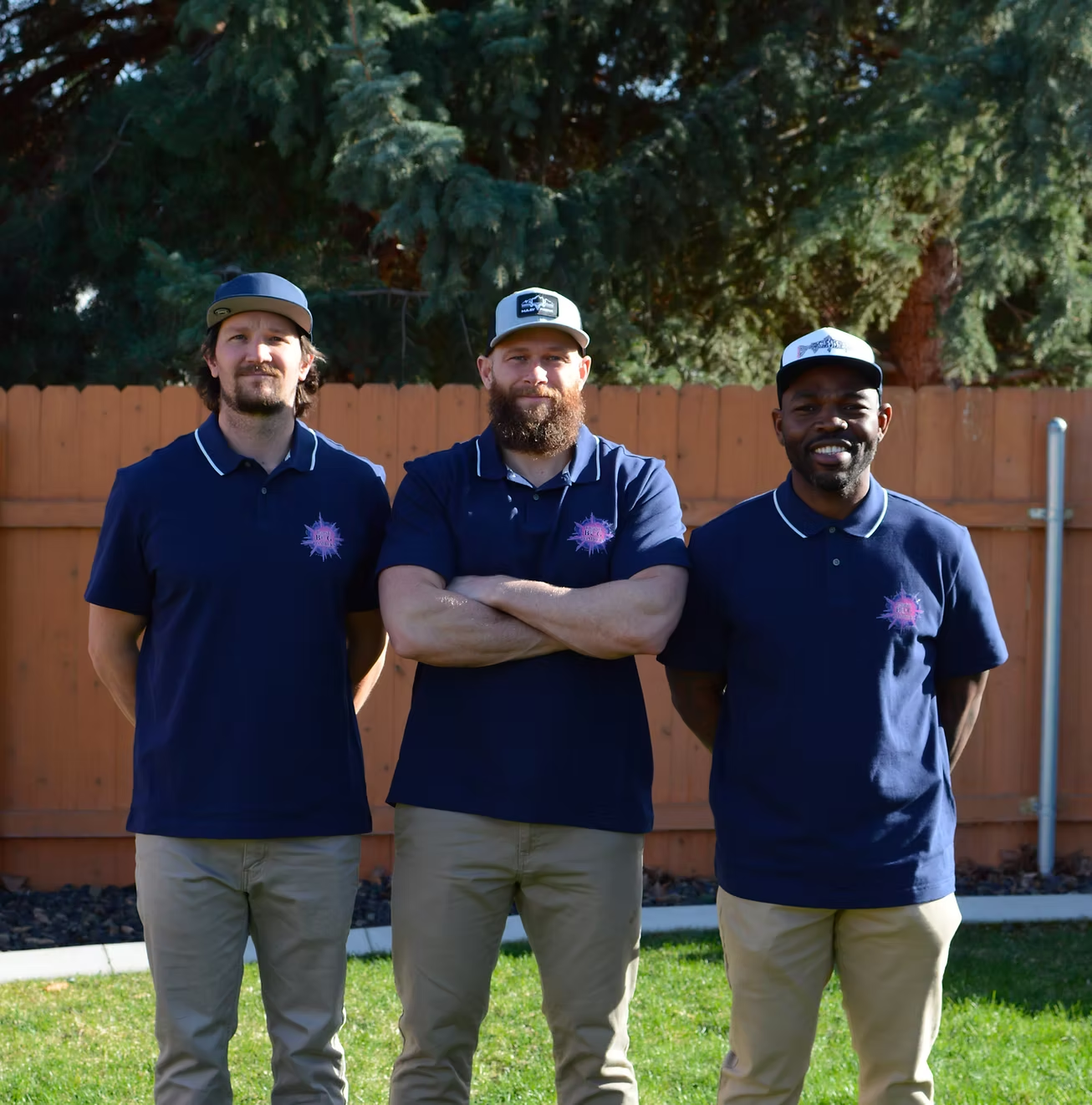
Spider control in Boise, Meridian, Nampa, and Eagle uses a targeted residual treatment focused on harborage zones, with same-week scheduling and free re-treats. Boise Bug Bombers Idaho State Department of Agriculture (ISDA)-licensed applicator handles every appointment in person; typical price is $175 to $295 for a one-time treatment.
SERVICE · IDAHO SPECIALTY · LICENSED APPLICATOR
Spider control in Boise.
Black widow. Hobo spider. Yellow sac. Treated where they breed.
The three spiders Idaho homeowners actually search for are the black widow, the hobo spider, and the yellow sac spider, all three are present in the Treasure Valley, and all three breed in different harborage points than the spiders you see crawling across the floor. Boise Bug Bombers identifies the species, treats the harborage, and returns until the population is gone. Our ISDA-licensed team, Hillard, Jordan, and Bradley, handles the work, Idaho State Department of Agriculture (ISDA)-licensed (#96328), with USDA-approved products that are kid- and pet-safe once dry.
If you live in Boise, Meridian, Nampa, or Eagle and you find a spider in the house, it is most likely a hobo spider, a yellow sac spider, or a common house spider, and occasionally, in basements, garages, and outbuildings, a black widow. The first three are nuisance pests with bites that are usually mild or harmless. The black widow is a medically significant species and is treated as such.
Below: how to tell which is which, what each one means for treatment, and why a generic “spider spray” misses the harborage that produces the next generation.
How does spider control work in Boise?
2A. Black widow (Latrodectus hesperus, Western black widow)
Identification. Glossy black body, hourglass-shaped red marking on the underside of the female’s abdomen. Females are larger (around 1.5 inches with legs extended); males are smaller and rarely bite. Webs are tangled and irregular, not the geometric orb shape, typically built low to the ground.
Where they live in the Treasure Valley. Crawl spaces, garage corners, basement window wells, woodpiles, outdoor stairwells, irrigation boxes. They prefer dark, undisturbed spaces with access to ground-level insect traffic. Hillard regularly finds them in Winstead Park crawl spaces and Bench-area garages.
Why DIY fails. A residential spray treats the spider you see. A black widow population persists because the females anchor egg sacs (each containing 100-400 eggs) in harborage points you don’t see. Treatment has to reach the harborage or the population rebuilds in 4-8 weeks.
What Boise Bug Bombers does. Inspection of all ground-level harborage zones (crawl space, garage corners, exterior stairwells, irrigation valve boxes, woodpiles). Targeted residual application to harborage. Quarterly follow-up to break the breeding cycle. Treatment is kid- and pet-safe once dry.
If you’ve been bitten. Black widow bites are medically significant. Call the Idaho Poison Center at 1-800-222-1222 immediately and seek medical evaluation. Per CDC guidance, bites are rarely fatal in healthy adults but require professional medical assessment, especially in children, older adults, and the immunocompromised.
2B. Hobo spider (Eratigena agrestis)
Identification. Brown body, around half an inch to three-quarters with legs, with a herringbone or chevron pattern on the abdomen. Builds funnel-shaped webs, the spider sits at the small end of a funnel and waits for prey to walk across the open mouth. Webs are typically at floor level or in basement window wells.
Where they live in the Treasure Valley. Basements, ground-level closets, garages, under stored items in low-traffic rooms. The University of Idaho Extension documents the hobo spider as present throughout southern Idaho. Funnel webs in the corner of an unfinished basement are almost always a hobo or a related grass spider.
The bite controversy. For years the hobo spider was classified as medically significant, but more recent CDC and university research has downgraded the bite’s typical severity. Bites can still cause local irritation. The species is treated as a nuisance pest, not a medical emergency, but the populations get large in undisturbed basements and they are the spider Grant Dillard referenced in his Google review (“my spider issue in the crawlspace”).
What Boise Bug Bombers does. Inspection of funnel-web harborage (basement perimeter, garage edges, window wells), targeted residual + harborage-clearing, and exterior perimeter treatment to reduce insect food sources that draw the population.
What we treat
2C. Yellow sac spider (Cheiracanthium inclusum / mildei)
Identification. Pale yellow or cream-colored body, around a quarter-inch, with darker mouthparts. No distinctive markings. Active at night; daytime is spent in a silk “sac” tucked into a wall-ceiling corner, a curled leaf, or a fold in stored fabric.
Where they live in the Treasure Valley. Wall-ceiling corners, behind picture frames, in stored linens, in attic spaces. Common in homes throughout Boise and Meridian. They are the spider most likely to be found wandering across a wall or ceiling at night and are commonly mistaken for a brown recluse, which is not established in Idaho.
The bite. Yellow sac spider bites can cause local stinging and a small ulcerative lesion in some cases. Not medically significant for healthy adults but worth professional treatment when populations are visible indoors.
What Boise Bug Bombers does. Targeted treatment of wall-ceiling junctions and attic perimeter, indoor crack-and-crevice application, and exterior insect reduction to lower the food supply.
Full yellow sac spider profile →
What we treat
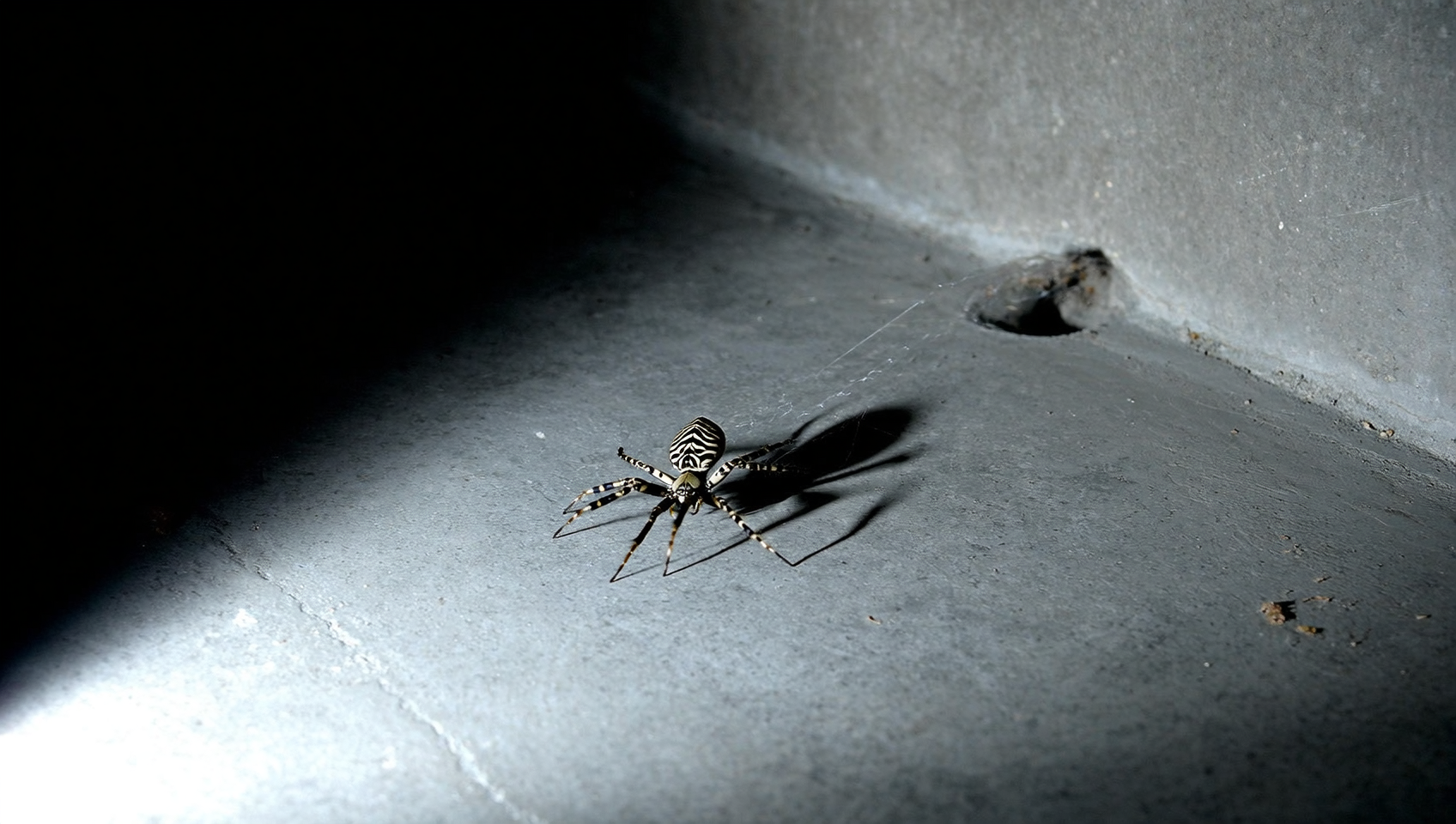
Hobo spider (Eratigena agrestis)
Identification. Brown body, around half an inch to three-quarters with legs, with a herringbone or chevron pattern on the abdomen. Builds funnel-shaped webs, the spider sits at the small end of a funnel and waits for prey to walk across the open mouth. Webs are typically at floor level or in basement window wells.
Where they live in the Treasure Valley. Basements, ground-level closets, garages, under stored items in low-traffic rooms. The University of Idaho Extension documents the hobo spider as present throughout southern Idaho. Funnel webs in the corner of an unfinished basement are almost always a hobo or a related grass spider.
The bite controversy. For years the hobo spider was classified as medically significant, but more recent CDC and university research has downgraded the bite’s typical severity. Bites can still cause local irritation. The species is treated as a nuisance pest, not a medical emergency, but the populations get large in undisturbed basements and they are the spider Grant Dillard referenced in his Google review (“my spider issue in the crawlspace”).
What Boise Bug Bombers does. Inspection of funnel-web harborage (basement perimeter, garage edges, window wells), targeted residual + harborage-clearing, and exterior perimeter treatment to reduce insect food sources that draw the population.
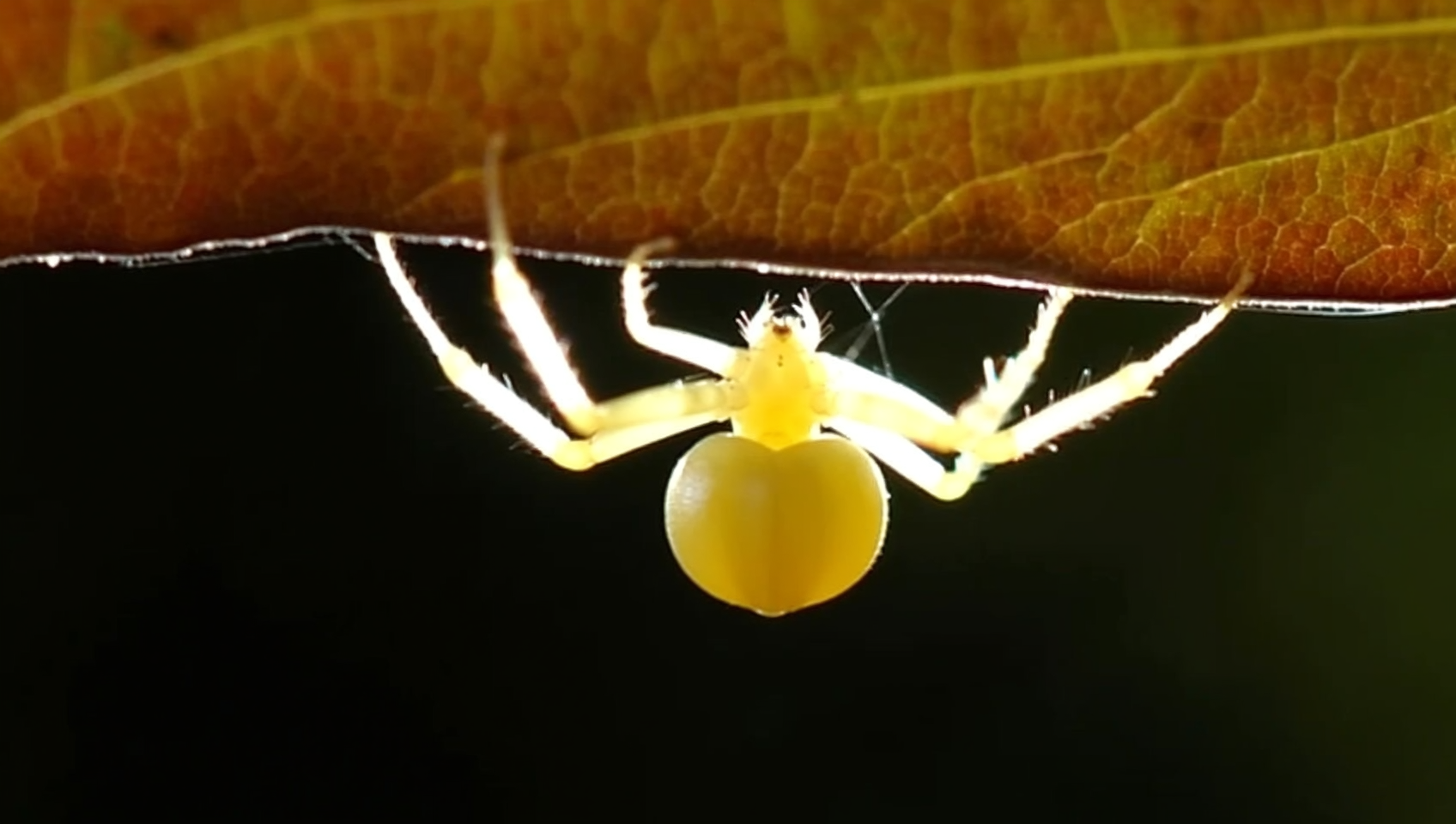
Yellow sac spider (Cheiracanthium inclusum / mildei)
Identification. Pale yellow or cream-colored body, around a quarter-inch, with darker mouthparts. No distinctive markings. Active at night; daytime is spent in a silk “sac” tucked into a wall-ceiling corner, a curled leaf, or a fold in stored fabric.
Where they live in the Treasure Valley. Wall-ceiling corners, behind picture frames, in stored linens, in attic spaces. Common in homes throughout Boise and Meridian. They are the spider most likely to be found wandering across a wall or ceiling at night and are commonly mistaken for a brown recluse, which is not established in Idaho.
The bite. Yellow sac spider bites can cause local stinging and a small ulcerative lesion in some cases. Not medically significant for healthy adults but worth professional treatment when populations are visible indoors.
What Boise Bug Bombers does. Targeted treatment of wall-ceiling junctions and attic perimeter, indoor crack-and-crevice application, and exterior insect reduction to lower the food supply.
Step 1, Inspection. Hillard walks the perimeter, crawl space, garage, basement, and attic access points; photographs harborage; identifies the species present. (30-45 minutes for a typical Boise single-family home.)
Step 2, Species ID. The treatment plan names which species are present, black widow, hobo, yellow sac, common house spider, because the harborage points differ per species.
Step 3, Targeted treatment. USDA-approved residual products applied to the harborage zones, not just the rooms where spiders are visible. Application zones are documented per visit.
Step 4, Follow-up. Quarterly plans include free retreats between scheduled sprays. One-time spider treatments include a 14-day re-inspection to catch egg-sac hatches.
Step 5, Documentation. Treatment plan, product list, and application zones are emailed after the visit. If you’re on a quarterly plan, the same documentation gets added to your file.
How it works
-
Inspection
Hillard walks the perimeter, crawl space, garage, basement, and attic access points; photographs harborage; identifies the species present. (30-45 minutes for a typical Boise single-family home.)
-
Species ID
The treatment plan names which species are present, black widow, hobo, yellow sac, common house spider, because the harborage points differ per species.
-
Targeted treatment
USDA-approved residual products applied to the harborage zones, not just the rooms where spiders are visible. Application zones are documented per visit.
-
Follow-up
Quarterly plans include free retreats between scheduled sprays. One-time spider treatments include a 14-day re-inspection to catch egg-sac hatches.
-
Documentation
Treatment plan, product list, and application zones are emailed after the visit. If you’re on a quarterly plan, the same documentation gets added to your file.
Spider control pricing in Boise depends on whether you need a one-time treatment for a current infestation or a quarterly plan that includes spider control as part of general pest service. Boise Bug Bombers prices both options upfront and includes free retreats between quarterly visits.
| Service | Price range | Includes |
|---|---|---|
| One-time spider treatment | $175-$295 | Inspection, species ID, targeted treatment, 14-day re-inspection |
| Quarterly pest plan | $40-$80 per visit | Spider control + 8 most common Treasure Valley pests + free retreats between visits |
| Black widow-specific treatment | $225-$375 | Crawl space + harborage targeting, extra residual application, 30-day follow-up |
| Severe infestation / multi-species | Quoted on inspection | All above + structural recommendations |
Pricing varies by home size and infestation severity. The quote on the phone is the quote at the door.
Pricing
Spider control pricing in Boise depends on whether you need a one-time treatment for a current infestation or a quarterly plan that includes spider control as part of general pest service. Boise Bug Bombers prices both options upfront and includes free retreats between quarterly visits.
| Service | Price range | Includes |
|---|---|---|
| One-time spider treatment | $175-$295 | Inspection, species ID, targeted treatment, 14-day re-inspection |
| Most popular Quarterly pest plan | $40-$80 per visit | Spider control + 8 most common Treasure Valley pests + free retreats between visits |
| Black widow-specific treatment | $225-$375 | Crawl space + harborage targeting, extra residual application, 30-day follow-up |
| Severe infestation / multi-species | Quoted on inspection | All above + structural recommendations |
Pricing varies by home size and infestation severity. The quote on the phone is the quote at the door.
Spider treatment is the service where species-ID matters most, generic “spider spray” misses the harborage that produces the next generation. Hillard McMorris is an Idaho State Department of Agriculture (ISDA)-licensed Idaho applicator (#96328) who leads the team, identifies the species in front of him, and writes the treatment plan in plain English. He answers (208) 918-2597 himself; the products on his truck are USDA-approved and kid- and pet-safe once dry.
Get the harborage. Stop the population.
100% satisfaction warranty · Free retreats between quarterly sprays · Idaho-licensed
Frequently Asked Questions
Q1: Are there black widow spiders in Boise, Idaho?
Yes. The Western black widow (Latrodectus hesperus) is established throughout southern Idaho including Boise, Meridian, Nampa, and Eagle. Black widows in the Treasure Valley are most commonly found in crawl spaces, garage corners, basement window wells, and exterior stairwells.
Q2: What spiders are in Boise homes?
The three Idaho spiders most commonly found in Boise homes are the hobo spider, the yellow sac spider, and the black widow. The hobo spider lives in basements and ground-level rooms; the yellow sac spider lives in wall-ceiling corners and stored linens; the black widow lives in crawl spaces, garages, and outdoor harborage zones.
Q3: How much does spider control cost in Boise?
Spider control in Boise costs $175 to $295 for a one-time treatment, $40 to $80 per visit on a quarterly plan that includes spider control plus 8 other pest categories, or $225 to $375 for targeted black widow harborage treatment. Pricing varies by home size and infestation severity; Boise Bug Bombers quotes upfront with no upsell.
Q4: Is brown recluse spider in Idaho?
No. The brown recluse spider (Loxosceles reclusa) is not established in Idaho per University of Idaho Extension and CDC range maps. Bites attributed to “brown recluse” in Idaho are nearly always misidentifications, most commonly a yellow sac spider or a hobo spider.
Q5: How long does spider treatment last?
Boise Bug Bombers’ targeted spider treatment uses USDA-approved residual products that maintain effectiveness for approximately 90 days under typical Treasure Valley conditions, which is why quarterly plans include 4 scheduled visits per year. Free retreats between visits are included if spider activity returns.
Q6: Do you offer same-week spider control in Boise?
Yes. Boise Bug Bombers offers same-week scheduling for spider control across Boise, Meridian, Nampa, and Eagle. Most homes are scheduled within 2-4 business days, and emergency black widow harborage calls within Ada County are typically handled within 24 hours.
Q7: Are your spider control products safe for kids and pets?
Yes. Boise Bug Bombers uses USDA-approved residual products that are safe for children and pets once dry, which is typically 1-2 hours after application. Hillard McMorris, the licensed applicator, will walk you through any re-entry recommendations on a per-product basis at the appointment.
Q8: What time of year is worst for spiders in Boise?
Late August through October is peak indoor spider season in Boise as outdoor temperatures drop and adult spiders move into homes to mate. A second smaller peak runs March through May when overwintering hobo and yellow sac spiders become active again. Quarterly plans cover both peaks.
Sources
Authoritative references for the information on this page. All third-party links open in a new tab.