NAMPA, ID · CANYON COUNTY · ISDA-LICENSED
Rodent control in Nampa.
House mice. Norway rats. Voles. Treated by species, not by spray.
Boise Bug Bombers treats rodent infestations across Nampa, from the house mouse pressure in older Northside and Lakeview construction, to the Norway rats at canal-adjacent and agricultural-edge properties in the Karcher area and along the I-84 frontage, to the vole damage in irrigated lawns near Wilson Springs Park, Lake Lowell, and the lawn-heavy newer subdivisions, using species-identified exclusion-plus-removal. Owner Hillard McMorris is an Idaho State Department of Agriculture (ISDA)-licensed Idaho applicator (#96328). USDA-approved products, kid- and pet-safe once dry. Same-week appointments.
In Nampa, ID 83651, 83686, and 83687, three rodent profiles drive almost every residential call: house mice (Mus musculus) in Northside and Lakeview’s older 1950s-1970s construction; Norway rats (Rattus norvegicus) in canal-adjacent and agricultural-edge properties, particularly the Karcher area, the I-84 commercial frontage, and addresses tied to the Lake Lowell / Snake River Canyon irrigation network; and voles (Microtus species) in irrigated lawns, especially around Wilson Springs Park and across the newer lawn-heavy stock in Sundance, Centennial, and Holly Hills. Each species needs a different treatment plan.
2A. House mice in Northside and Lakeview
The older Nampa residential stock, central Northside, Lakeview around 16th Avenue South and the streets running off it, and the bungalows around the College of Idaho corridor, carries 1950s-1970s construction with crawl spaces, plumbing penetrations, and original framing gaps that house mice exploit. Interior trapping where active rodents are, plus exterior exclusion at entry points before the cold months drive the next wave in.
2B. Norway rats, Karcher, I-84 corridor, and canal-tied properties
Nampa’s Norway rat pressure is real and concentrates on properties that combine commercial-adjacent harborage with canal-tied water access. The Karcher area’s residential properties along the canal lateral network, the I-84 commercial frontage with dumpster zones and restaurant exterior storage, and addresses tied to the Lake Lowell irrigation system are the most common Norway-rat call profiles. Norway rats are larger, more cautious, and significantly more destructive than house mice, they require locked exterior tamper-resistant bait stations and harborage exclusion at the property edge, not interior product application.
2C. Voles in irrigated lawns (Wilson Springs Park area, Sundance, Centennial, Holly Hills)
Vole damage in Nampa concentrates in two zones. First, the area around Wilson Springs Park and the broader park-adjacent residential stock, where irrigation and parkland-adjacent green cover give voles ideal habitat. Second, the lawn-heavy newer subdivisions, Sundance, Centennial, Holly Hills, where irrigation-fed turf creates the soft soil + green cover + adjacent water trifecta vole populations thrive in. Vole damage looks like 1-2 inch wide surface runways through grass and entrance holes the size of a quarter. Vole control is exterior-only, lawn-zone targeted, no interior product.
What we treat
In Nampa, ID 83651, 83686, and 83687, three rodent profiles drive almost every residential call: house mice (Mus musculus) in Northside and Lakeview’s older 1950s-1970s construction; Norway rats (Rattus norvegicus) in canal-adjacent and agricultural-edge properties, particularly the Karcher area, the I-84 commercial frontage, and addresses tied to the Lake Lowell / Snake River Canyon irrigation network; and voles (Microtus species) in irrigated lawns, especially around Wilson Springs Park and across the newer lawn-heavy stock in Sundance, Centennial, and Holly Hills. Each species needs a different treatment plan.
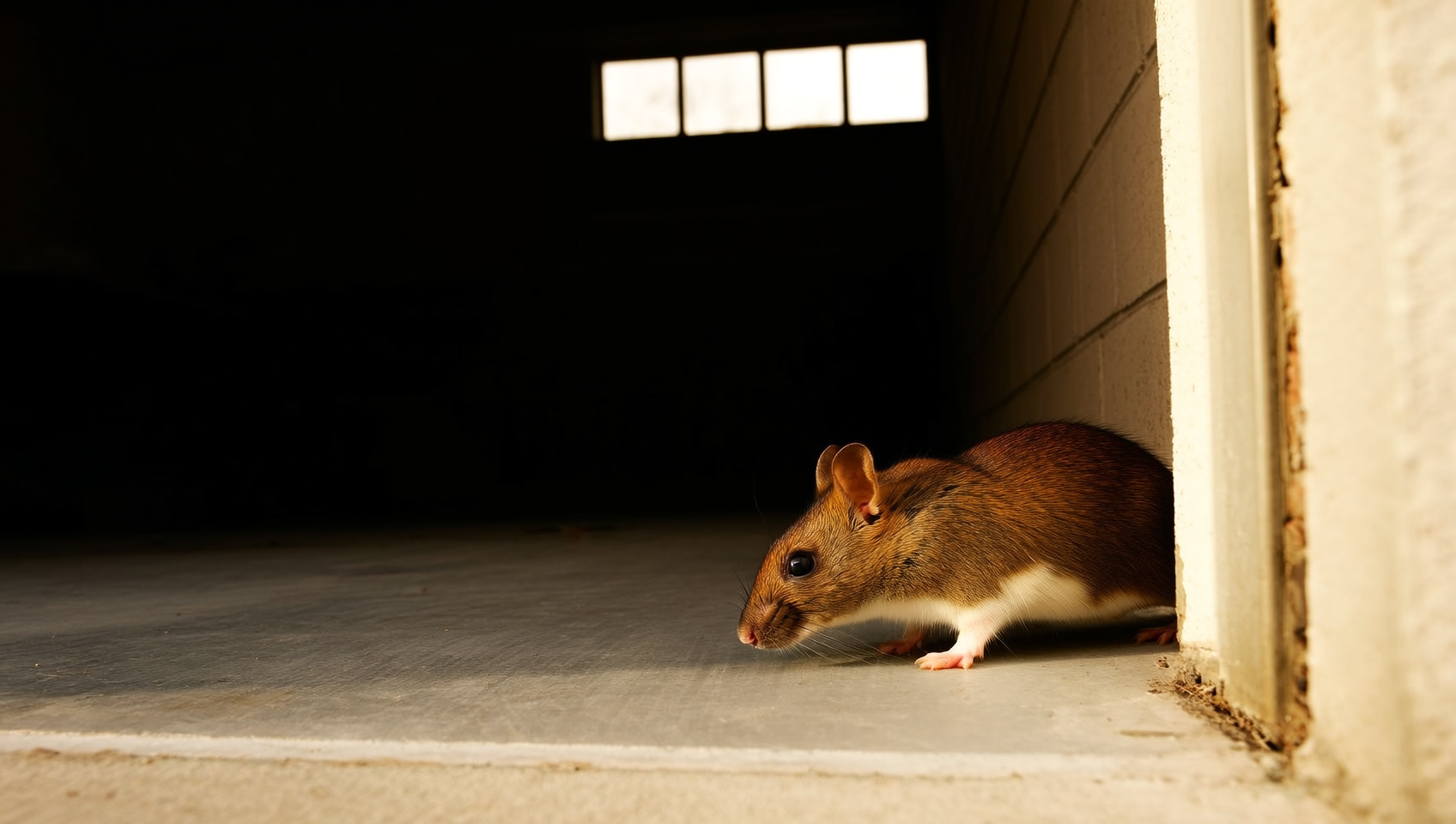
House mice in Northside and Lakeview
The older Nampa residential stock, central Northside, Lakeview around 16th Avenue South and the streets running off it, and the bungalows around the College of Idaho corridor, carries 1950s-1970s construction with crawl spaces, plumbing penetrations, and original framing gaps that house mice exploit. Interior trapping where active rodents are, plus exterior exclusion at entry points before the cold months drive the next wave in.
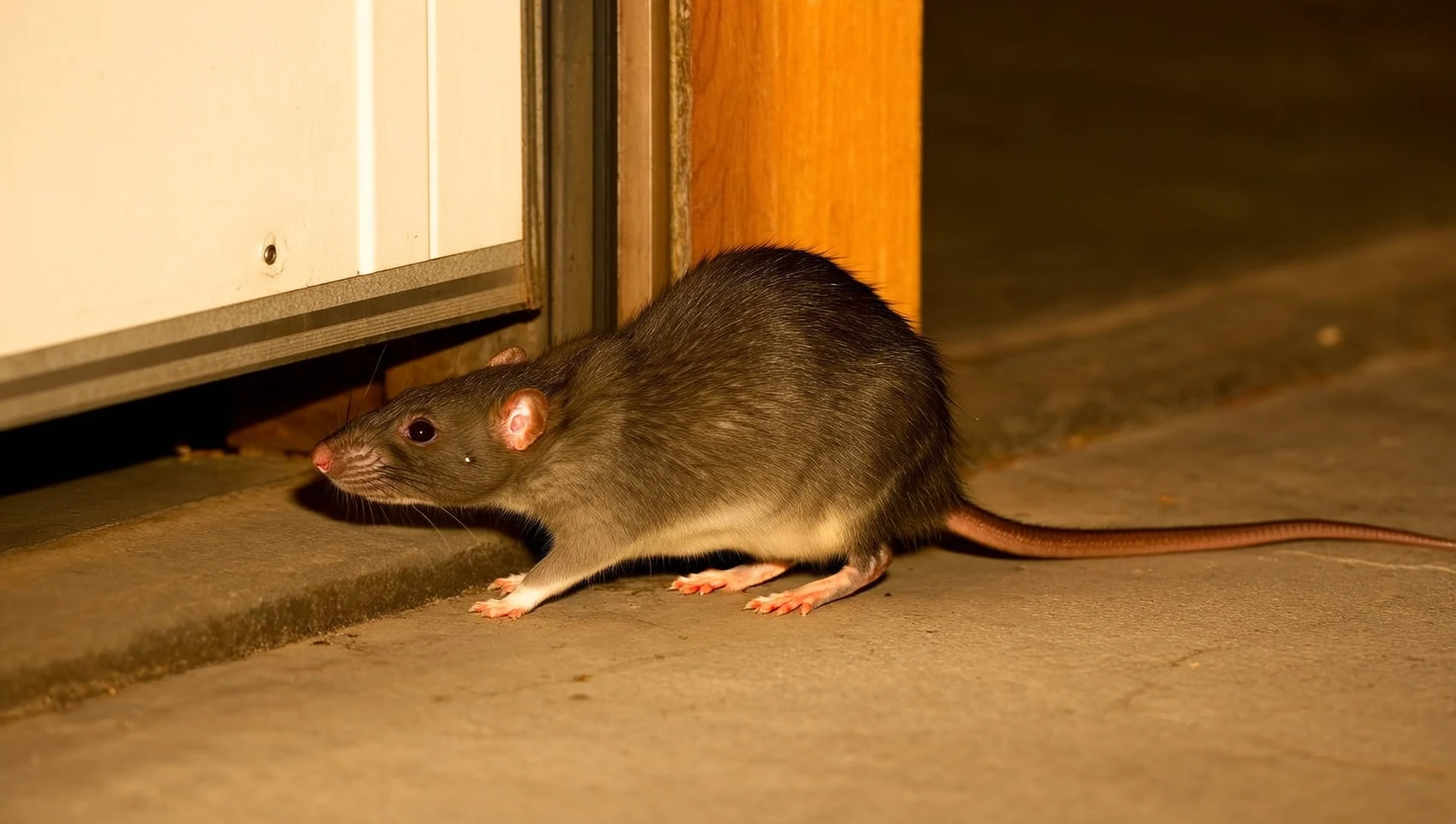
Norway rats, Karcher, I-84 corridor, and canal-tied properties
Nampa’s Norway rat pressure is real and concentrates on properties that combine commercial-adjacent harborage with canal-tied water access. The Karcher area’s residential properties along the canal lateral network, the I-84 commercial frontage with dumpster zones and restaurant exterior storage, and addresses tied to the Lake Lowell irrigation system are the most common Norway-rat call profiles. Norway rats are larger, more cautious, and significantly more destructive than house mice, they require locked exterior tamper-resistant bait stations and harborage exclusion at the property edge, not interior product application.
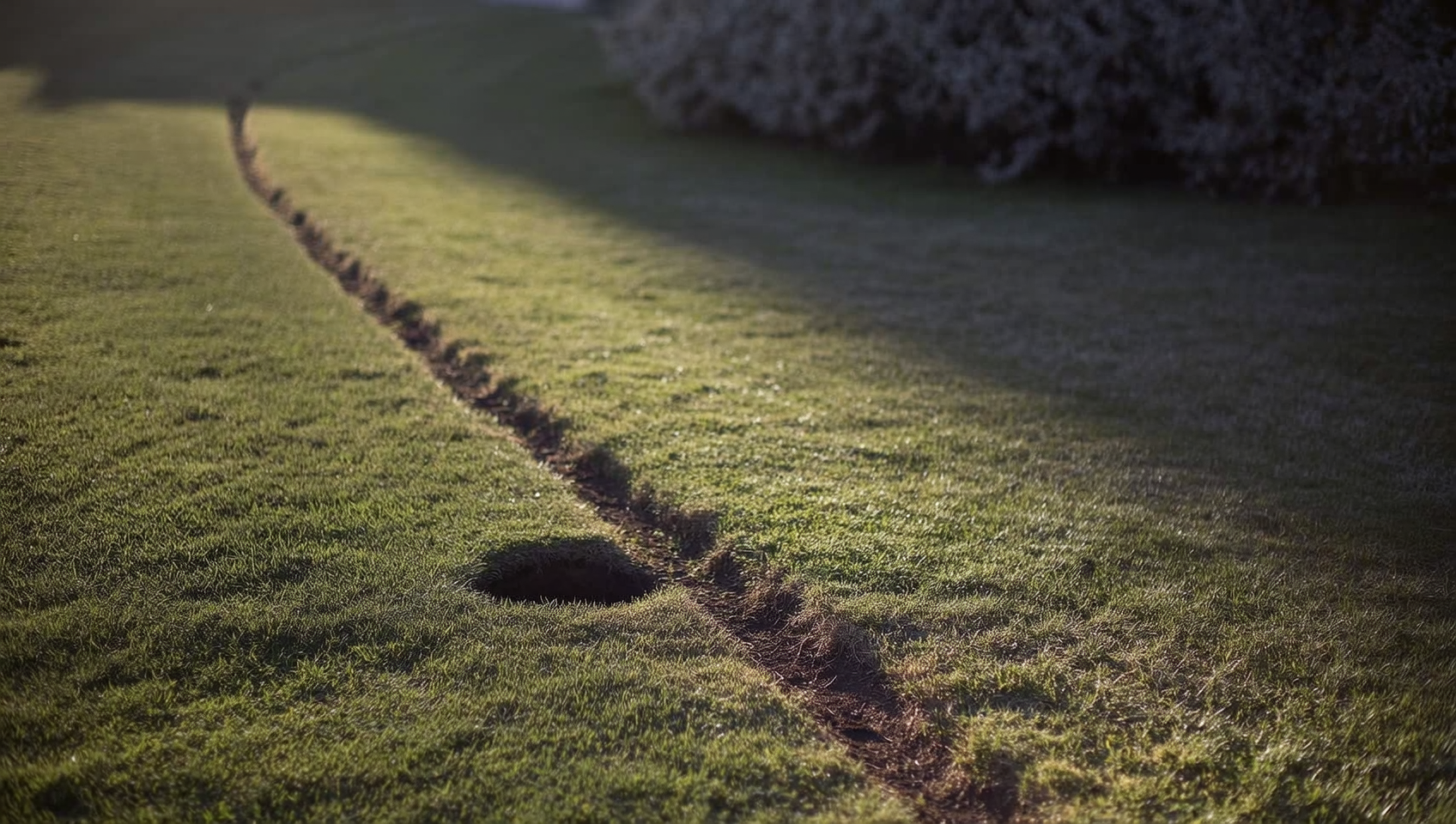
Voles in irrigated lawns (Wilson Springs Park area, Sundance, Centennial, Holly Hills)
Vole damage in Nampa concentrates in two zones. First, the area around Wilson Springs Park and the broader park-adjacent residential stock, where irrigation and parkland-adjacent green cover give voles ideal habitat. Second, the lawn-heavy newer subdivisions, Sundance, Centennial, Holly Hills, where irrigation-fed turf creates the soft soil + green cover + adjacent water trifecta vole populations thrive in. Vole damage looks like 1-2 inch wide surface runways through grass and entrance holes the size of a quarter. Vole control is exterior-only, lawn-zone targeted, no interior product.
Step 1, Species identification. House mouse, Norway rat, vole, and deer mouse each leave different evidence: scat shape and size, runway pattern, harborage signal, entry-point character. Identification before treatment is non-negotiable.
Step 2, Inspection. Hillard walks the perimeter, attic if accessible, crawl space, garage, basement, plumbing penetrations, dryer vent, HVAC penetrations, the canal-adjacent property edge for Norway-rat harborage, and the irrigation-adjacent lawn for vole runways. Photographs all evidence.
Step 3, Exclusion-first treatment. Sealing entry points is the load-bearing step, bait stations without exclusion just kill the current generation while new ones enter through the same gaps. Steel wool + sealant at small penetrations, hardware cloth at vents and crawl-space openings, door-sweep replacement, exterior weather seal.
Step 4, Targeted removal. Interior snap traps for house-mouse activity. Locked exterior tamper-resistant bait stations for Norway-rat pressure at canal-tied and I-84 corridor addresses. Vole control is exterior bait stations placed in runway zones; no interior product.
Step 5, Follow-up + documentation. 14-day re-inspection confirms trap clearance + exclusion effectiveness. Quarterly customers get free rodent retreats if new activity appears between scheduled sprays.
How it works
-
Species identification
House mouse, Norway rat, vole, and deer mouse each leave different evidence: scat shape and size, runway pattern, harborage signal, entry-point character. Identification before treatment is non-negotiable.
-
Inspection
Hillard walks the perimeter, attic if accessible, crawl space, garage, basement, plumbing penetrations, dryer vent, HVAC penetrations, the canal-adjacent property edge for Norway-rat harborage, and the irrigation-adjacent lawn for vole runways. Photographs all evidence.
-
Exclusion-first treatment
Sealing entry points is the load-bearing step, bait stations without exclusion just kill the current generation while new ones enter through the same gaps. Steel wool + sealant at small penetrations, hardware cloth at vents and crawl-space openings, door-sweep replacement, exterior weather seal.
-
Targeted removal
Interior snap traps for house-mouse activity. Locked exterior tamper-resistant bait stations for Norway-rat pressure at canal-tied and I-84 corridor addresses. Vole control is exterior bait stations placed in runway zones; no interior product.
-
Follow-up + documentation
14-day re-inspection confirms trap clearance + exclusion effectiveness. Quarterly customers get free rodent retreats if new activity appears between scheduled sprays.
Rodent control in Nampa costs $175 to $375 for interior house mouse treatment with exclusion, $275 to $475 for Norway rat exterior treatment plus harborage exclusion at canal-tied properties, and $275 to $550 for vole lawn treatment depending on lawn size.
| Service | Nampa price range |
|---|---|
| Rodent inspection + entry-point report | $125-$175 |
| Interior house mouse treatment + exclusion | $175-$375 |
| Norway rat exterior treatment + harborage exclusion | $275-$475 |
| Vole lawn treatment (exterior) | $275-$550 |
| Add-on: full attic/crawl exclusion package | +$200-$600 |
| Quarterly pest plan rodent add-on | +$75-$200 |
Pricing
Rodent control in Nampa costs $175 to $375 for interior house mouse treatment with exclusion, $275 to $475 for Norway rat exterior treatment plus harborage exclusion at canal-tied properties, and $275 to $550 for vole lawn treatment depending on lawn size.
| Service | Nampa price range |
|---|---|
| Rodent inspection + entry-point report | $125-$175 |
| Interior house mouse treatment + exclusion | $175-$375 |
| Norway rat exterior treatment + harborage exclusion | $275-$475 |
| Vole lawn treatment (exterior) | $275-$550 |
| Add-on: full attic/crawl exclusion package | +$200-$600 |
| Most popular Quarterly pest plan rodent add-on | +$75-$200 |
Boise Bug Bombers serves all of Nampa, ID, including ZIP codes 83651, 83686, and 83687, for rodent control, covering Northside, Lakeview, Karcher, Sundance, Southside, Centennial, Holly Hills, the area around Wilson Springs Park, the College of Idaho corridor, the Lake Lowell-adjacent properties, the I-84 commercial frontage, and the canal lateral network through the Karcher Road and Northside corridors. Average drive time from the shop at 1650 N Hilton St in Boise to a Nampa address is 25 to 35 minutes.
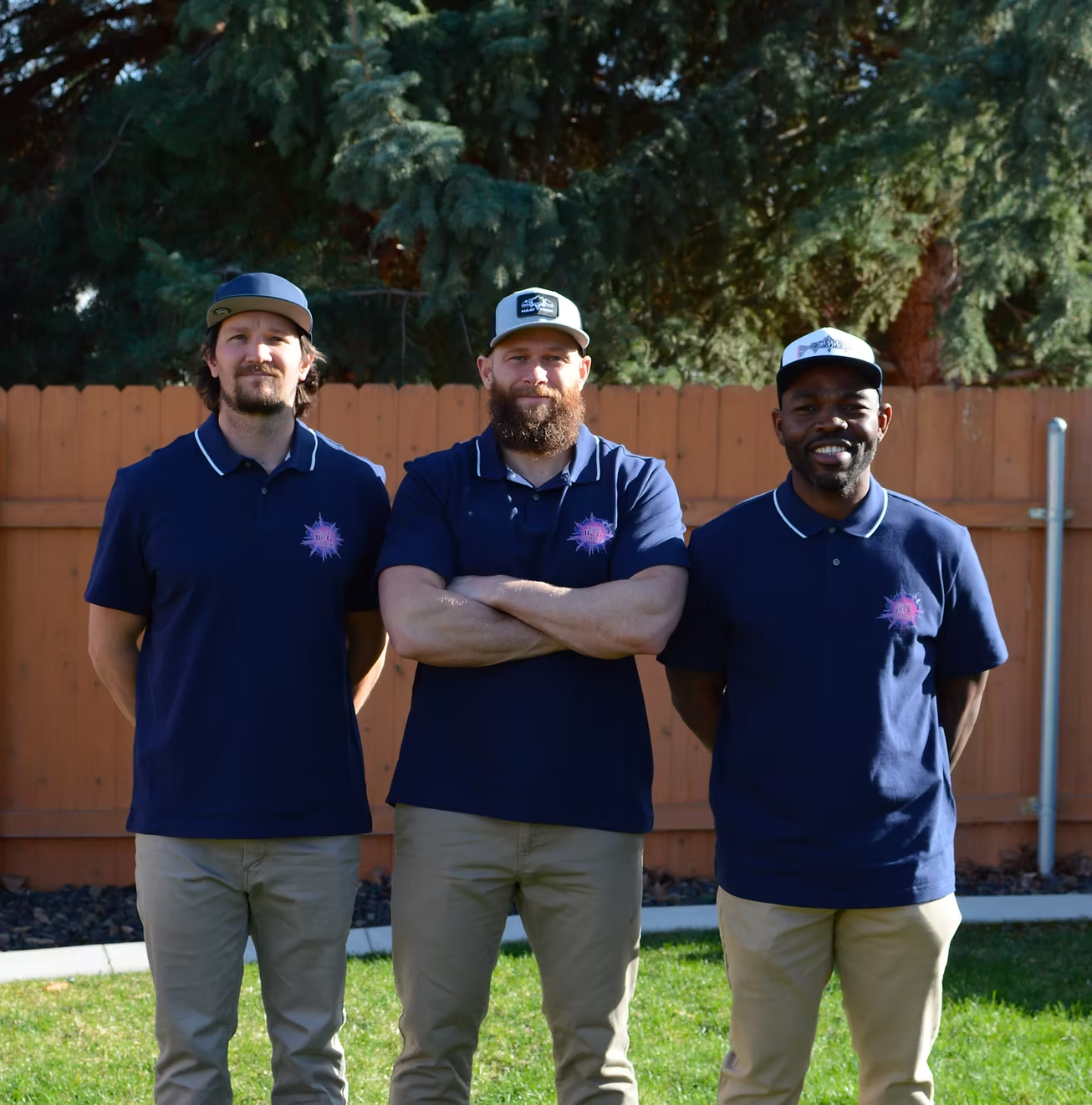
Hillard McMorris leads the team. Idaho State Department of Agriculture (ISDA)-licensed Idaho applicator (#96328), the person who answers (208) 918-2597. Norway rat work in particular rewards the technician who recognizes the canal-tied harborage pattern, generic bait without harborage exclusion repeats the call within months. From Eric Carroll’s Google review: “Best bug service in the Treasure Valley. They go above and beyond your expectations.”
→ /about/
Get a Nampa rodent inspection this week.
Same-week Nampa appointments · Exclusion-first approach · 100% satisfaction warranty
Bringing peace and happiness by spreading death and destruction… to your pests.
Q1: Does Boise Bug Bombers treat rodents in Nampa, Idaho?
Yes. Boise Bug Bombers treats house mice, Norway rats, and vole infestations across all of Nampa, ID, including ZIP codes 83651, 83686, and 83687, covering Northside, Lakeview, Karcher, Sundance, Southside, Centennial, Holly Hills, the College of Idaho corridor, and the I-84 frontage. Same-week appointments are typical.
Q2: Why does the Karcher area have Norway rats?
Norway rats (Rattus norvegicus) concentrate in Nampa on properties that combine commercial-adjacent harborage with canal-tied water access. The Karcher area, the I-84 commercial corridor, and addresses tied to the Lake Lowell irrigation network give Norway rats both the food/cover they need (dumpster zones, restaurant exterior storage, agricultural-edge cover) and the water access they require. Norway rat treatment uses locked exterior bait stations plus harborage exclusion at the property edge.
Q3: How much does rodent control cost in Nampa?
Rodent control in Nampa costs $175 to $375 for interior house mouse treatment with exclusion, $275 to $475 for Norway rat exterior treatment plus harborage exclusion at canal-tied properties, and $275 to $550 for vole lawn treatment depending on lawn size. Inspection-only visits cost $125 to $175. Pricing is quoted upfront, the phone quote matches the door quote.
Q4: Why do voles damage lawns in Nampa?
Voles are exterior-only rodents that thrive in irrigated lawns. Nampa’s irrigation-fed turf in the newer subdivisions like Sundance, Centennial, and Holly Hills, plus the parkland-adjacent green cover around Wilson Springs Park, gives voles the soft soil, green cover, and adjacent water they need. Vole damage looks like 1-2 inch wide surface runways through grass with entrance holes the size of a quarter. Vole control is exterior-only.
Q5: Why does exclusion matter more than bait for rodents in Nampa?
Bait stations without exclusion just kill the current generation while new rodents enter through the same gaps, most properties that receive bait-only treatment see new activity within six months. Effective rodent control in Nampa seals the entry points first, then traps or treats the active animals. The exclusion is what keeps the next generation out.
- Northside Nampa, 2, 2A, 5
- Lakeview (16th Avenue South), 2, 2A, 5
- Karcher area (canal-adjacent)
- Sundance
- Southside, 5
- Centennial
- Holly Hills
- Wilson Springs Park area
- College of Idaho corridor, 2A, 5
- Lake Lowell irrigation network
- I-84 commercial frontage
- Snake River Canyon irrigation network, 2
- ZIP codes 83651, 83686, 83687
- 1650 N Hilton St → Nampa drive time, 5
Hyperlocal anchors woven into species-by-zone content, Northside/Lakeview maps to house mice in older construction, Karcher/I-84/Lake Lowell maps to Norway rats at canal-tied + commercial-adjacent properties, Sundance/Centennial/Holly Hills/Wilson Springs Park maps to voles in irrigated lawns. Treatment-relevant geography per species, not template fill.
Sources
Authoritative references for rodent control in Nampa and the broader Treasure Valley. All third-party links open in a new tab.
- CDC: Rodent Disease Control + Hantavirus
- EPA: Rodenticide Safety Guidance
- NPIC: Rodenticide Safety Reference
- USDA Wildlife Services: Rodent Damage Management
- Idaho Department of Fish + Game: Wildlife Resources
- Canyon County Idaho: Local Government Resources
Q6: How quickly can you schedule rodent control in Nampa?
Boise Bug Bombers offers same-week scheduling for rodent control across Nampa and the broader Treasure Valley. Most Nampa appointments are booked within 2-4 business days. Emergency calls (active wasp nests, post-bite black widow situations) get same-day scheduling whenever possible. Call (208) 918-2597 for next-available.
Q7: What does rodent control cost in Nampa, Idaho?
Rodent control in Nampa typically runs $40 to $80 per visit on a quarterly plan or $175 to $295 for a one-time treatment depending on home size and pest pressure. Boise Bug Bombers quotes upfront on the phone with no surprise add-ons. Phone quote matches the door quote.
Q8: Are your rodent control products safe for kids and pets in Nampa?
Yes. Boise Bug Bombers uses USDA-approved residual products that are kid- and pet-safe once dry. Drying time is typically 1 to 2 hours after application in Nampa. ISDA-licensed applicator Hillard McMorris reviews any per-product re-entry recommendations at the appointment.